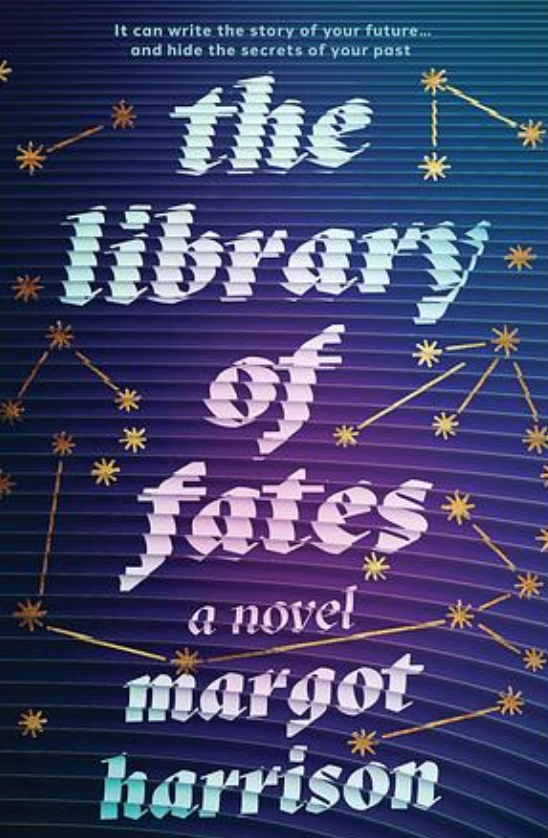
There are so many things I didn’t like about this book, it’s hard to decide where to start. Maybe with the lack of diversity…unless I missed something (which is possible listening to the audiobook), I didn’t pick up on any characters with any bipoc, lgbtqiap+, neurodivergent, disabled, etc. representation.
Library of Fates centers around two timelines, a group of students, their professor, a magical library, and a magical book. One timeline takes place while they are in college taking a seminar together. The other is 20 something years down the road when some of them reunite to solve a mystery about the magical book and the library it powers.
Without spoilers, the idea of the magic book/crux of the whole story falls short to me. It imagines a promise which the author makes it seem is assumed to be the natural choice for people. However, I found this assumption to be coming from a place of superiority and ego. It’s hard to say this without spoilers but the book assumes people would make a certain choice given the ultimate power of something at the end. That people read books to see only themselvs in as the hero. Yet many do and should read books with others represented as the main to learn about different perspectives and backgrounds and stories. The concept presented in the book assumes people center themselves in everything, and yes many do, but many don’t and given the choice wouldn’t and shouldn’t.
The romance is not believable and superficial at best. It’s also a little messed up. I didn’t know before going in, but the male main character is a “player”. That alone would have made me put the book down. The language used in this book, the terms used, the adjectives, the way the characters speak to each other is reminicent of 90s-2000s rom com american hollywood-speak, bland, crass, unimaginative, and infused with misogyny. Such quotes like “you look sexy when you use the power”…NO THANK YOU.
There’s one comment about American tourists in this book that reeks of a French superiority complex. Not that American tourists aren’t known to have a certain reputation but it added to the already pretentious francophilia of the book.
I wouldn’t recommend this at all.
Perhaps the only part I enjoyed was that it brought back memories of living in Boston and being around the areas mentioned in the book.
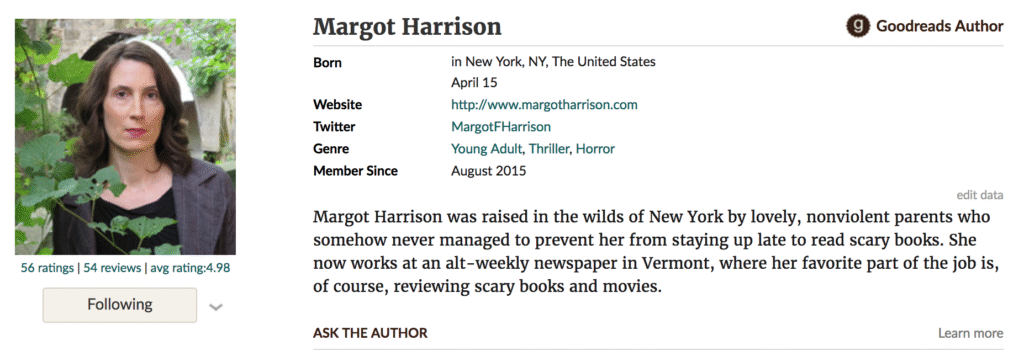
About the Author
About the Publisher
Graydon House is part of Harper Collins.